“Hope” is the thing with feathers by Emily Dickinson: Analysis and Interpretation

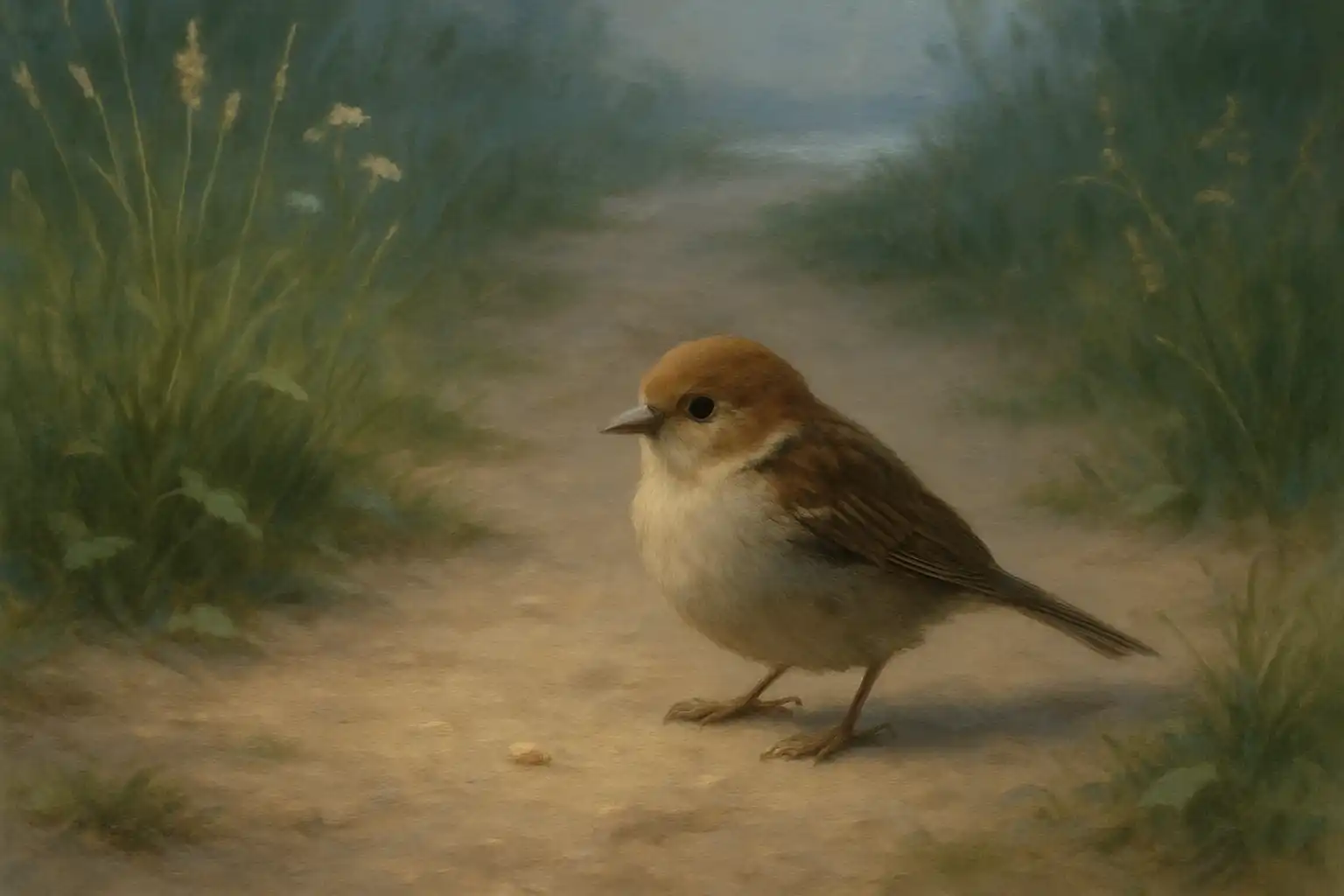
hope is the thing with feathers

“Hope” is the thing with feathers is probably Emily Dickinson’s most quoted poem, and for good reason. Written around 1861, it takes an abstract concept—hope—and turns it into something you can picture: a bird living in your soul that never stops singing. The metaphor is simple enough for a kid to understand but deep enough … Read more

Success is counted sweetest by Emily Dickinson: Analysis and Interpretation

success is counted sweetest

Twelve lines about how losing makes you understand winning better than actually winning does. That’s the whole poem. Dickinson’s argument is that people who fail grasp what success means more clearly than people who succeed. The winners take it for granted. The losers feel its absence so intensely they understand it deeper. She makes the … Read more

Wild nights – Wild nights! by Emily Dickinson: Analysis and Interpretation

wild nights wild nights

This is Dickinson at her most unguarded. Twelve lines of pure desire, either for a person or God or both, depending on how you read it. “Wild nights! Wild nights!” repeats like someone who can’t contain what they’re feeling. The whole poem is about wanting to be with someone so intensely that everything else becomes … Read more

There’s a certain Slant of light by Emily Dickinson: Analysis and Interpretation

there's a certain slant of light

Winter afternoon, light comes in at an angle, and suddenly everything feels heavy. That’s the poem. Dickinson takes ordinary sunlight and makes it carry despair and mortality. Not warm, comforting light. The kind that presses down like cathedral music, solemn and oppressive, reminding you something’s deeply wrong even if you can’t name what. The genius … Read more